Health
The health program has several departments dedicated to catering health services…
Below are the programs that are provided within the community. Please contact our community engagement coordinator at jadeh@weenusk.ca if you are not sure which department to contact for any services you’d like to access.

Crisis Coordinator
Our Crisis Coordinator provides immediate, compassionate support and crisis intervention to individuals and families experiencing mental health or community emergencies.

Healthy Babies Healthy Children
The Healthy Babies Healthy Children (HBHC) program in Ontario is a free, voluntary service designed to help caregivers, expectant parents and families with children from birth to age six build a healthy foundation for their child’s development.
The Crisis Coordinator responds promptly to situations involving emotional distress, suicidal thoughts, domestic conflicts, substance use crises, or other behavioral health concerns. We work collaboratively with law enforcement, medical personnel, and community agencies to assess risk, ensure safety, and de-escalate volatile situations. We always maintain professionalism, cultural sensitivity, and confidentiality while working under high-pressure situations. We provide follow-up support to ensure continuity of care and monitors client progress.
The program provides home visits from public health nurses and family home visitors who offer guidance, support, and information on prenatal health, parenting, child growth and development, and community resources. HBHC focuses on early identification of needs, promoting positive parent-child relationships, and supporting families in creating safe and nurturing environments. The program aims to ensure that all children have the best possible start in life.

Aboriginal Diabetes Initiatives
The Aboriginal Diabetes Initiative (ADI) is a community-based program that focuses on promoting awareness, prevention, and management of diabetes among First Nations, Inuit, and Métis peoples.
Aboriginal Head Start
The Aboriginal Head Start On Reserve (AHSOR) program is an initiative that promotes the healthy development of First Nations children from birth to age six living on reserve.
It aims to reduce the prevalence and impact of diabetes through culturally relevant education, early screening, and support for healthy living. The program encourages balanced nutrition, regular physical activity, and traditional wellness practices as key components of diabetes prevention and control. ADI also provides resources and workshops that empower individuals, families, and communities to make informed lifestyle choices and manage diabetes effectively. By combining modern health knowledge with Indigenous teachings and community engagement, the Aboriginal Diabetes Initiative supports holistic well-being and fosters long-term improvements in overall health outcomes.
It provides culturally grounded, community-based early childhood education that supports children’s spiritual, emotional, intellectual, and physical well-being. The program emphasizes Indigenous languages, traditions, and values while preparing children for success in school and life. AHSOR also engages parents, caregivers, and Elders as active participants in learning and program planning. Key components include education, health promotion, nutrition, social support, and cultural enrichment. By fostering strong cultural identity and family involvement, the program strengthens community connections and helps ensure that children grow up proud, confident, and ready to reach their full potential.
Youth Life Promotion
The Youth Life Promotion Program in Indigenous communities is a culturally grounded initiative that supports the mental, emotional, spiritual, and physical well-being of Indigenous youth.

Jordan's Principle
Jordan’s Principle is a child-first initiative that ensures First Nations children have equitable access to the health, social, and educational services they need, without delay or disruption.
The program focuses on strengthening identity, resilience, and community connection through traditional teachings, language, and cultural practices. It provides safe spaces where youth can engage in mentorship, leadership development, and peer support activities that promote positive mental health and suicide prevention. Elders, Knowledge Keepers, and community leaders play a vital role in guiding youth, fostering belonging, and encouraging healthy lifestyles. By blending traditional knowledge with contemporary wellness approaches, the Youth Life Promotion Program empowers young people to build confidence, embrace their cultural heritage, and become strong, resilient leaders within their families and communities.
Named in memory of Jordan River Anderson, a young boy from Norway House Cree Nation, the principle was created to prevent jurisdictional disputes between governments from interfering with a child’s care. Under Jordan’s Principle, when a service is required, the government of first contact pays for it immediately, and jurisdictional issues are resolved later. This ensures that First Nations children receive timely access to supports such as speech therapy, mental health services, medical equipment, tutoring, and respite care. The program upholds fairness, dignity, and the right of every First Nations child to thrive and reach their full potential.
Choose Life Program
The Choose Life Program is an initiative that provides vital mental health and wellness supports to address youth suicide and promote hope through culture, community, and connection to the land.

Nutrition North
The Nutrition North Canada (NNC) program is a federal initiative that helps improve access to affordable, nutritious food for people living in isolated and northern Indigenous communities.
The program focuses on prevention and healing by empowering Indigenous youth to strengthen their identity, resilience, and sense of belonging. Through culturally grounded, land-based activities such as traditional teachings, ceremonies, and outdoor experiences, youth learn to reconnect with their heritage and develop positive coping skills. Choose Life also funds community-driven projects that enhance access to mental health resources, counselling, and mentorship. Guided by Elders and Knowledge Keepers, the program promotes holistic well-being and inspires young people to find purpose, healing, and strength within their culture and community.
It provides subsidies to lower the cost of perishable, healthy foods such as fruits, vegetables, milk, meat, and eggs, helping families make healthier choices and reduce food insecurity. The program also supports community-based nutrition education and food skills initiatives that promote traditional foods, healthy eating, and diabetes prevention. By working in partnership with First Nations and Inuit organizations, Nutrition North aims to address health disparities linked to diet-related illnesses and ensure northern residents have equitable access to nutritious, culturally appropriate foods that support overall health, wellness, and community resilience.
NNADAP
The National Native Alcohol and Drug Abuse Program (NNADAP) provides prevention, treatment, and aftercare services to address substance use and promote healing in First Nations communities.

Brighter Futures
The Brighter Futures Program is a community-based initiative that supports the mental, physical, and emotional well-being of First Nations and Inuit children, youth, and families.
Grounded in culturally based approaches, NNADAP integrates traditional healing, ceremonies, and teachings with contemporary counseling and recovery methods. The program focuses on supporting individuals and families through education, community outreach, detoxification, and rehabilitation services that emphasize balance and holistic wellness—spiritual, emotional, mental, and physical. Aftercare programs help clients maintain sobriety and reintegrate successfully into their communities with ongoing support. By combining Indigenous culture, community involvement, and modern health practices, NNADAP fosters resilience, strengthens identity, and empowers individuals to lead healthy, substance-free lives while contributing to the overall well-being of their communities.
It empowers communities to design and deliver programs that reflect their unique needs, priorities, and cultural values. Brighter Futures focuses on five key areas: mental health, child development, parenting skills, healthy living, and injury prevention. Activities may include workshops, cultural camps, recreation, and traditional teachings that promote resilience, positive relationships, and healthy lifestyles. By combining Indigenous knowledge with community-driven approaches, the program strengthens family bonds, supports youth development, and enhances overall wellness. Brighter Futures helps build strong, vibrant communities where children and families can thrive in safe, nurturing, and culturally grounded environments.
Building Healthy Communities
The Building Healthy Communities (BHC) program is an Indigenous-led initiative that promotes overall community wellness through mental health, addictions, and healthy living programs.

Federal Tobacco Control Strategy
The Federal Tobacco Control Strategy (FTCS) supports community-led efforts to reduce tobacco use and promote healthier, smoke-free lifestyles across Canada.
It supports First Nations and Inuit communities in developing locally designed, culturally grounded initiatives that strengthen families, foster resilience, and enhance quality of life. BHC focuses on prevention, early intervention, and holistic healing by combining traditional knowledge, cultural practices, and modern health approaches. Activities may include mental wellness workshops, land-based healing, cultural gatherings, recreation programs, and family support services. By emphasizing connection to culture, community, and the land, the Building Healthy Communities program empowers individuals and families to make positive lifestyle choices, reduce health risks, and build strong, supportive, and healthy communities for future generations.
It focuses on prevention, education, and cessation programs designed to protect youth, support individuals who want to quit, and reduce exposure to second-hand smoke. In partnership with Indigenous communities, FTCS funds culturally relevant projects that incorporate traditional teachings, community engagement, and holistic wellness approaches to address commercial tobacco use while respecting the sacred and ceremonial use of traditional tobacco. Through public education campaigns, training, and community outreach, the program empowers individuals and families to make informed choices, improves overall health outcomes, and contributes to building stronger, healthier, and tobacco-free communities for future generations.
Healthy Child Development Cluster
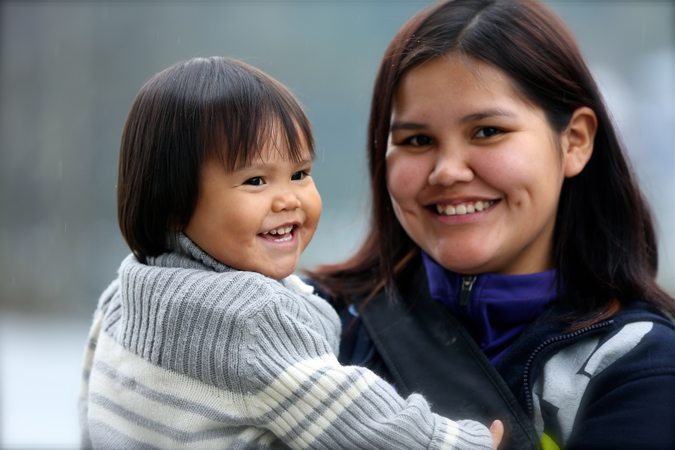
The Healthy Childhood Development Cluster is a collection of community-based programs that promote the physical, emotional, social, and cultural well-being of Indigenous children.
Community Facilities O&M
The Community Facilities Operations and Maintenance (O&M) program supports the ongoing upkeep, operation, and maintenance of health-related buildings and infrastructure in First Nations communities.
It supports families and communities in creating nurturing environments where children can grow, learn, and thrive. The cluster includes initiatives such as early childhood education, parenting programs, nutrition and health promotion, and culturally grounded activities that strengthen identity and resilience. By integrating traditional teachings with modern child development practices, the programs foster strong family relationships, positive self-esteem, and lifelong healthy habits. The Healthy Childhood Development Cluster emphasizes the importance of community involvement and cultural connection in ensuring that every child has the opportunity to reach their full potential in a safe, supportive, and culturally rich environment.
It ensures that facilities such as health centres, nursing stations, and wellness buildings remain safe, functional, and accessible for community members and health service providers. The program provides funding and technical assistance for repairs, utilities, preventive maintenance, and upgrades that help extend the life of critical infrastructure. By maintaining clean, efficient, and well-functioning facilities, the Community Facilities O&M program helps ensure that essential health programs and services can be delivered effectively. This investment contributes to the overall health, safety, and well-being of communities while supporting the sustainability of vital health care resources.
Community Health Representative
The Community Health Representative (CHR) program plays a vital role in connecting community members with health services and promoting overall wellness within First Nations communities.

Patient Advocate
The Patient Advocate program supports community members in navigating the healthcare system and ensures their rights, needs, and voices are respected throughout their care journey.
CHRs act as trusted liaisons between individuals, families, and healthcare providers, helping to bridge cultural and communication gaps. They deliver health education, promote disease prevention, and support healthy living through community outreach, workshops, and one-on-one guidance. CHRs also assist clients in accessing medical care, navigating health systems, and understanding treatment plans. Rooted in community knowledge and cultural awareness, they incorporate traditional teachings alongside modern health practices. By fostering trust and promoting holistic well-being, Community Health Representatives strengthen the connection between health services and the people they serve, empowering communities toward healthier, more informed lives.
Patient Advocates assist individuals and families in understanding their health options, accessing appropriate services, and communicating effectively with healthcare providers. They help resolve concerns, promote culturally safe care, and ensure that patients receive fair and respectful treatment. Advocates also provide education about health rights, available programs, and community resources to empower individuals to make informed decisions. Rooted in compassion and cultural understanding, the Patient Advocate program strengthens trust between patients and the healthcare system, helping community members achieve better health outcomes and ensuring their well-being is supported with dignity and respect.

Community Facilities - Security
The Community Facilities – Security program is dedicated to ensuring the safety and protection of community health and wellness facilities in First Nations communities.
Home Community Care
The Home and Community Care (HCC) program provides in-home health and personal support services to help community members live safely and independently in their own homes.
It provides funding and support for security measures that safeguard staff, clients, equipment, and sensitive health information. This may include the installation and maintenance of security systems, lighting, cameras, locks, and emergency response protocols. By maintaining secure environments, the program helps ensure that health services can be delivered without disruption and that community members feel safe accessing care. The Community Facilities – Security program plays a vital role in protecting essential infrastructure, promoting safety and confidence among staff and clients, and supporting the overall stability and effectiveness of local health service delivery.
It offers a range of services, including nursing care, personal support, case management, and rehabilitation, tailored to meet individual needs. The program prioritizes Elders, people with chronic illnesses, and those recovering from surgery or illness, ensuring they receive quality care while maintaining dignity and autonomy. HCC also supports families and caregivers through education and respite services. By combining professional healthcare with cultural understanding and community-based values, the Home and Community Care program enhances quality of life and enables individuals to remain connected to their families, culture, and communities.
Gallery